My Approach
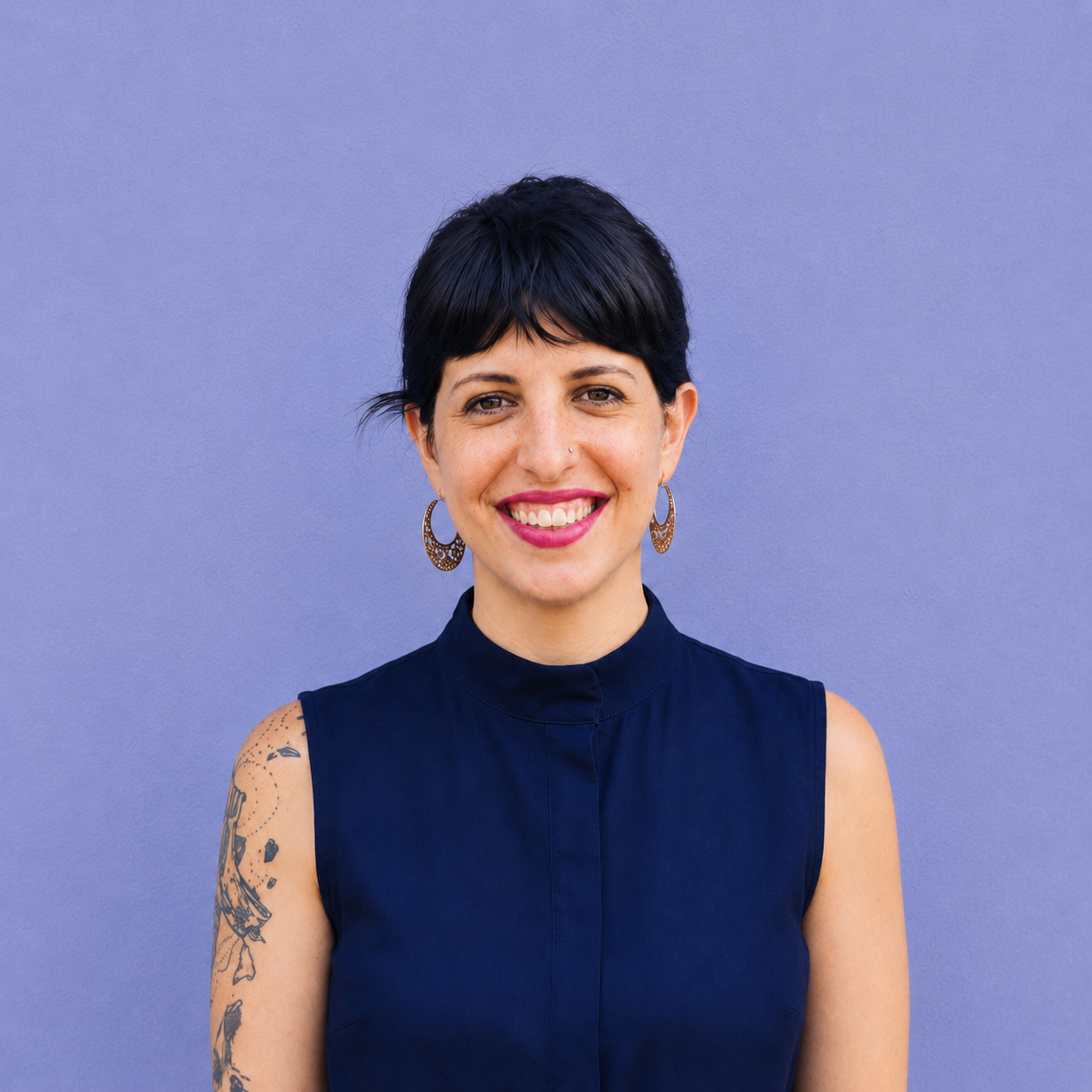
ABOUT FEYHealing became my life's work because I wanted to understand how people change.
I became a therapist because I wanted to understand one question:
Why do some people continue to struggle despite years of therapy, insight, and genuine effort?
That question has shaped the way I think about healing ever since.
Many people come to therapy believing change happens by understanding themselves differently. Insight matters—I don't think we heal without it. But I've also seen many people understand exactly why they struggle while still feeling caught in the same emotional and relational patterns.
My approach is based on a simple idea:
Healing is a process of learning.
Not learning facts. Learning through experience.
Chronic stress doesn't only change the way we think. It changes the way we feel, relate, remember, and automatically respond to the world. If those patterns were learned through experience, lasting change usually requires new experiences that allow the whole person—not just the intellect—to learn something different.
That's why I don't begin by asking, "Which therapy model should we use?"
I begin by asking, "What does this person need in order for something genuinely new to become possible?"
Sometimes that looks like conversation. Sometimes it involves slowing down an emotional experience, working with memory, exploring relationship patterns, or using experiential approaches. The techniques change because people are different. The underlying idea doesn't.
My goal isn't to fit you into a particular model of therapy. It's to thoughtfully adapt therapy to you, creating experiences that support meaningful, lasting change.
Approaches I Use
Different approaches support learning in different ways. Rather than expecting every client to fit into one model, I draw from multiple approaches depending on what seems most likely to help you move toward lasting change.
-
Helps emotionally “stuck” experiences become integrated so they no longer carry the same emotional charge or continue shaping the present in the same way.
-
Combines psychotherapy with ketamine to create opportunities for new perspectives, emotional flexibility, and deeper learning that can continue long after the medicine session ends.
-
Works with the emotional learnings that keep patterns in place, helping the brain update them so change feels natural rather than forced.
-
Approaches inner conflict with curiosity rather than judgment, helping protective and vulnerable parts of ourselves work together instead of against one another.
-
Pays attention to the patterns that emerge within relationships—including the therapeutic relationship—to better understand how past experiences continue shaping the present.
-
Invites the body into the healing process by noticing sensations, emotions, and automatic responses that words alone can’t always reach.
-
Develops the capacity to notice thoughts, emotions, and bodily experiences with greater awareness, creating space for new choices instead of automatic reactions.
Who I Work With
Many of my clients have spent years trying to understand themselves. They've often been in therapy before, read the books, and developed a deep awareness of their patterns, yet still find themselves caught in cycles of anxiety, emotional shutdown, perfectionism, people-pleasing, hypervigilance, or painful relationship dynamics.
Many are thoughtful, highly self-aware people who are tired of understanding their patterns without seeing them change.
My practice is especially well-suited for people navigating:
Developmental + complex trauma
Survivors of sexual trauma + interpersonal violence
Chronic stress + burnout
Attachment wounds + relationship patterns
Abuse and sexual assault recovery
LGBTQIA identity + relationships
Ethical non-monogamy + polyamory
Neurodivergence, including ADHD + Autism
Chronic illness + chronic pain
Anxiety, depression + emotional overwhelm
Ketamine-assisted psychotherapy (KAP) preparation + integration
Many of the people I work with have also experienced life at the intersection of multiple identities or systems that have required them to adapt, survive, or carry more than their share. My goal isn't to help you become someone different. It's to create the conditions where your mind, body, and relationships can begin learning that something different is possible.
Experience
In addition to my clinical training, my work has been shaped by over 20 years of meditation practice, including six and a half years living at a Vipassana meditation center. That experience continues to inform my approach to mindfulness, emotional regulation, and experiential learning in therapy.
Before becoming a therapist, I spent three years as a community organizer working alongside people experiencing houselessness, incarceration, substance use, domestic violence, and other forms of systemic marginalization. Those experiences continue to shape my commitment to meeting people with curiosity, compassion, and respect for the broader contexts that influence healing.
Credentials
I am a pre-licensed clinican (LSW) - I receive supervision from Rachel McQuillan (LCSW)
-
MSW, Smith College School for Social Work (2025)
-
Completed EMDRIA-approved Basic Training in EMDR (2026)
-
Advanced training in Ketamine-Assisted Psychotherapy through Journey Clinical (2026)
-
Completed Level 1 Training through the Coherence Psychology Institute (2026)